What is Chronic Pain?
Chronic pain is a complex and often debilitating disease that significantly impacts a person’s quality of life. This type of pain lasts a long time and it is very difficult to treat. Chronic or persistent pain is pain that carries on for three months ore more despite medication or treatment.
I’ve lived with daily chronic, intractable pain for decades. My mission is to educate people on the different kinds of pain and how to manage it.
My chronic pain landing page highlights many articles that I’ve written over the years to help pain patients understand that they are not alone.
We share our stories about life with pain so we feel less alone and so others know you are not alone! Writing about it not only informs other patients. It also helps me cope with the enormity of my life grinding to a halt because pain puts the brakes on everything in your life.
It’s impossible to function or participate in life fully when pain is present.
Pain counts. Let’s talk about it!
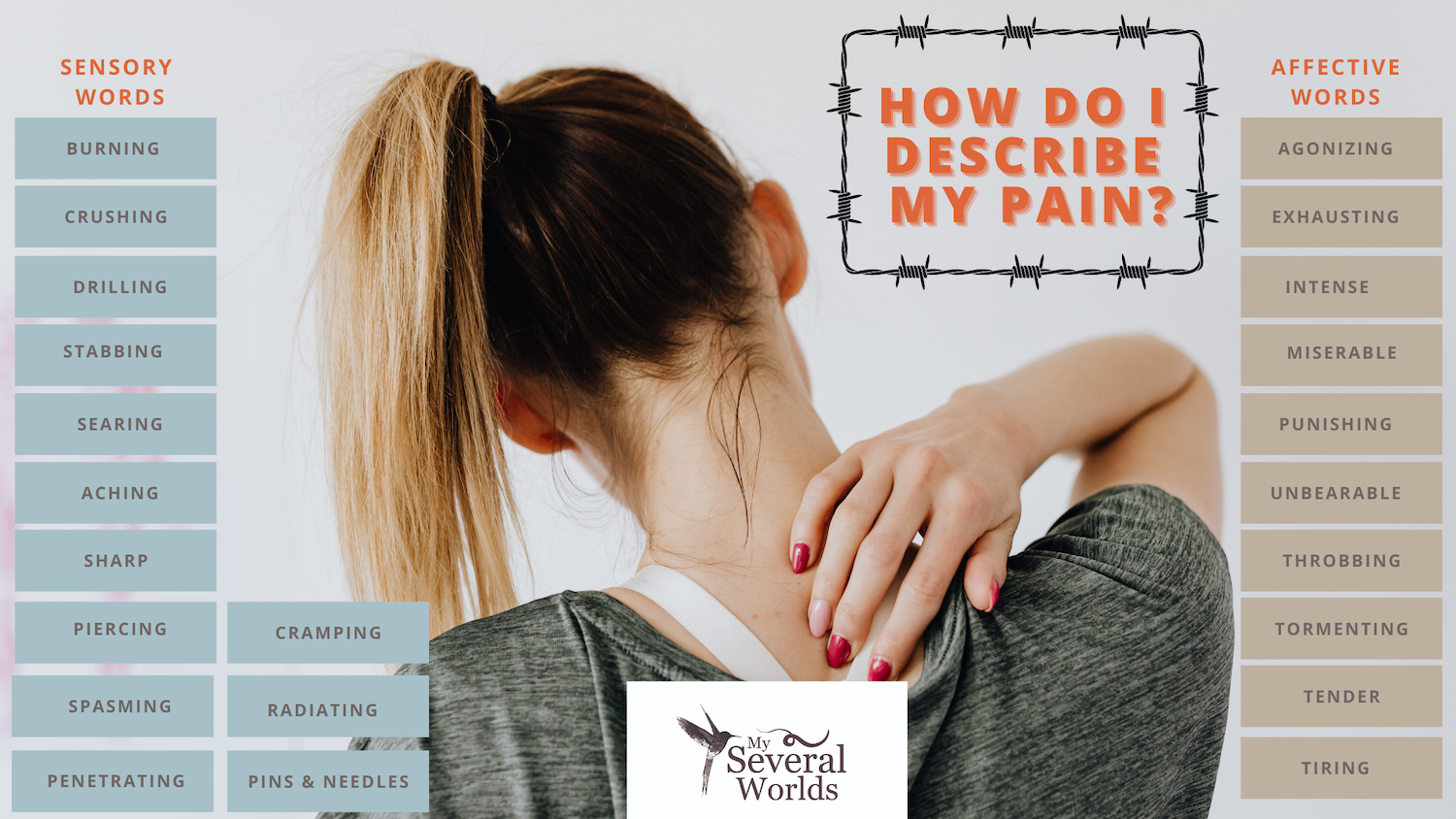
This section breaks down some key facts that I’ve written about with chronic pain.
Chronic pain is generally defined as pain that lasts for 12 weeks or more, even after the initial injury or underlying cause has been treated. It can persist long after the tissues have healed.
Common causes of chronic pain can result from various underlying conditions, including arthritis, fibromyalgia, nerve damage, musculoskeletal issues, and certain diseases such as cancer.
Chronic pain is widespread and affects millions of people worldwide. It can occur at any age, but it is more common in older adults.
There are different types of chronic pain, such as neuropathic pain (resulting from nerve damage), nociceptive pain (caused by tissue damage), and centralized pain (involving changes in the central nervous system). Each type may require different treatment approaches.

Impact on Daily Life
Life with pain can have a profound impact on a person’s daily life, including their physical and emotional well-being. It often leads to sleep disturbances, reduced mobility, and depression or anxiety.
Diagnosis: Diagnosing chronic pain can be challenging because it is subjective. There is no specific test to confirm its presence. Doctors typically rely on a combination of medical history, physical examination, and sometimes imaging or other diagnostic tests.
Multidisciplinary Approach: Managing pain often requires a multidisciplinary approach. Treatments may include medications, physical therapy, psychological counseling, lifestyle modifications, and alternative therapies like acupuncture or chiropractic care.
Pain Management Techniques
Various pain management techniques are available, including medication (analgesics, anti-inflammatories, opioids), nerve blocks, spinal cord stimulation, and even surgical interventions in some cases.
I update my articles and add new citations and research each year to ensure that my readers have the most up to date information and research.
Ongoing research in pain management has led to new treatments and therapies for pain. These include advances in neurostimulation, regenerative medicine, and non-pharmacological approaches.
There is no one-size-fits-all approach to treating pain. Personalized treatment plans are essential to address the unique needs and circumstances of each patient.
Impact on Mental Health
Pain contributes to mental health issues, such as depression and anxiety. Conversely, these mental health conditions can also exacerbate the perception of pain, creating a cycle of suffering.
Living with pain can be challenging, and it’s essential for individuals to seek support from healthcare professionals, family, and support groups. Learning effective coping strategies and self-management techniques can also be helpful.
It’s important for individuals experiencing chronic pain to consult with healthcare professionals to receive an accurate diagnosis and develop a comprehensive pain management plan tailored to their specific situation. Pain can be challenging to manage, but with the right support and treatment, many individuals can find relief and improve their quality of life.

What does autoimmune arthritis leg pain and fibromyalgia leg pain feel like?
Arthritis leg pain and fibromyalgia leg pain? What’s the difference?
It’s common to get arthritis and fibromyalgia mixed up, but there are distinct differences between the two that all patients should know.
Here are some things I’ve learned on this 16 year journey with inflammatory arthritis leg pain and fibromyalgia leg pain.

FREE DOWNLOAD – NON VERBAL SIGNS OF PAIN
A FREE poster that shows several signs of pain that are nonverbal clues. Feel free to share it with your provider or with loved ones. Get it through my Ko-fi shop at: https://ko-fi.com/s/93034e16dd
A FREE poster that shows several signs of pain that are nonverbal clues. Feel free to share it with your provider or with loved ones. These are all signs of pain:
- Facial expressions
- Withdrawal from activity or ‘going silent’
- Body posture
- Excessive sweating
- Hand movements can show distress and pain
- Crying and sounds of distress
- Swift mood changes, especially with anger, aggression, irritability, and agitation
- Confusion
Nonverbal communication is silent communication. It is seen and observed through eye contact, facial expressions, gestures, posture, and body language. Pay attention to these signs when you are with someone who lives with chronic pain. Pain always visible if you know what to look for.
If you’d like an A1, A2, or A3 poster, please feel free to contact me via DM.
Further Resource Reading
- How Do I Describe Chronic Pain To My Doctor?
- Costochondritis: Chest Wall Pain with Arthritis and Fibromyalgia [Written in 2021. Updated 2025]
- Fibromyalgia and Electric Shock Pain: Paresthesia [September 2023]
- How To Be A Friend To Someone Living with Pain
- Pacing for Pain Management [Written in 2015. Updated September 2023.]
- Red Light Therapy for Pain and Inflammation [Written September 2023]
- Foot Reflexology for Chronic Pain [Written 2022]
- How Do Compression Socks and Compression Sleeves Work For Pain and Blood Clots? [Written October 2025]
- 8 Ways Pain Changes You [2022]
- Unsolicited Health Advice From Online ‘Pain’ Specialists [2022]
- Life With Chronic Illness and Chronic Pain – Never Did I Ever Think [2017. Updated 2025]
- Understanding the Difference Between Chronic Pain and Intractable Pain
Watch my 30 Days of Pain Awareness Video for Pain Awareness Month 2023